

 by
by 
Kenya Luxury Real Estate: A Definitive Analysis of the Nation’s Elite Property Market
Kenya luxury real estate has evolved from a niche market into one of Africa’s most resilient and sophisticated property segments. Anchored by Nairobi’s prestigious suburbs and complemented by coastal prestige developments and expanding lifestyle corridors, the sector mirrors shifting wealth patterns, evolving lifestyle aspirations, and growing investor confidence.
This comprehensive analysis examines the drivers, performance, typologies, investment dynamics, challenges, and long-term outlook of Kenya’s luxury property market—offering valuable intelligence for homeowners, investors, developers, and institutional players.
What Defines Luxury Real Estate in Kenya
Kenya luxury real estate transcends mere price points. It represents exclusivity, location superiority, architectural distinction, lifestyle integration, and long-term value preservation. These properties cater to discerning buyers who prioritise privacy, prestige, comfort, and investment security.
In the Kenyan market, luxury property typically encompasses:
– High-value standalone villas and mansions
– Premium apartments and penthouses in prime urban nodes
– Gated lifestyle estates and branded residences
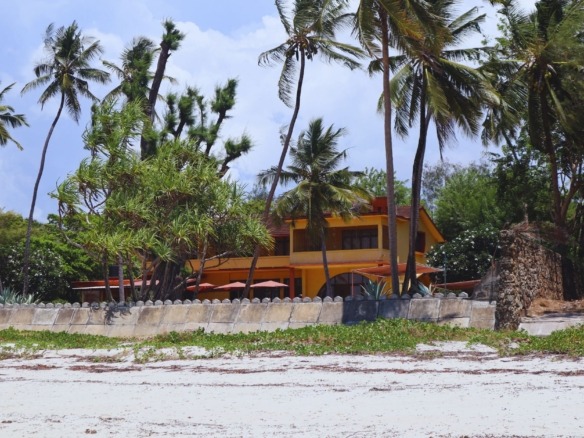
– Beachfront and resort-style coastal properties
– Select high-end commercial and mixed-use developments
As Kenya consolidates its position as East Africa’s economic hub, luxury property has become both a lifestyle statement and a strategic asset class.
Market Performance and Resilience
Despite global economic uncertainty, Kenya’s luxury real estate segment continues to outperform the broader property market. While mid-income housing have experienced pricing pressure and absorption challenges, high-end developments have demonstrated relative stability.
Key performance indicators include:
– Sustained transaction volumes in prime locations
– Gradual but consistent price appreciation in elite neighbourhoods
– Strong rental demand from expatriates, diplomats, and corporate executives
– Growing share of luxury housing within total residential market activity
Nairobi, in particular, has gained international recognition for luxury residential performance, with high-end property values appreciating at rates that rival established global cities.
Key Drivers of Luxury Property Growth in Kenya
Wealth Creation and High-Net-Worth Individuals
Kenya has witnessed sustained growth in personal wealth, driven by entrepreneurship, regional trade, professional services, technology, and diaspora capital. The expanding population of high-net-worth individuals has directly fueled demand for premium residences aligned with global standards.
Luxury homes are increasingly viewed as:
– Wealth preservation tools
– Status assets
– Multi-generational investments
Nairobi as a Regional Business and Diplomatic Hub
Nairobi hosts multinational headquarters, regional offices for international organisations, diplomatic missions, and NGOs. This has created a steady pipeline of expatriates and senior executives seeking secure, well-located, and high-quality housing—sustaining demand for luxury rentals and owner-occupied homes.
Infrastructure Development and Urban Expansion
Major infrastructure investments—including expressways, road upgrades, and improved utility networks—have enhanced accessibility to previously peripheral luxury zones. Areas such as Karen, Runda, and emerging lifestyle corridors have benefited from improved connectivity while retaining their low-density appeal.
Lifestyle Evolution and Global Influence
Affluent buyers in Kenya increasingly benchmark properties against international markets. Expectations now include:
– Smart home technology
– Wellness and recreational amenities
– Sustainable and environmentally responsible design
– Integrated work-from-home functionality
Luxury property has therefore evolved into a lifestyle ecosystem rather than merely a physical structure.
Prime Luxury Real Estate Locations in Kenya
Nairobi’s Elite Residential Enclaves
Nairobi remains the epicentre of luxury real estate activity.
Karen is characterised by expansive plots, mature greenery, and proximity to nature reserves, remaining synonymous with prestige and exclusivity.
Runda and Muthaiga offer controlled access, diplomatic presence, and some of the highest land values in the country.
Lavington, Kileleshwa, Kilimani, and Riverside have evolved into hubs for high-end apartments and townhouses, favoured for their proximity to commercial districts and lifestyle amenities.
Westlands is a prime mixed-use zone where luxury residential developments coexist with Grade-A offices, retail, and hospitality offerings.
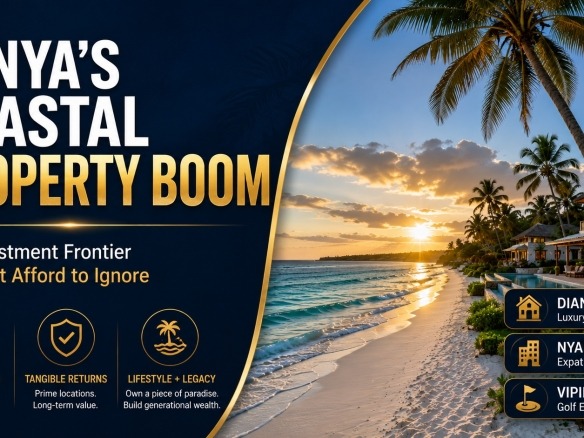
Coastal Luxury Markets
Kenya’s coastline presents a distinct luxury proposition, blending investment potential with leisure appeal:
– Diani Beach: Exclusive beachfront villas and resort-style residences
– Nyali and Shanzu: Premium urban-coastal living
– Malindi and Watamu: High-end holiday homes and lifestyle estates
These locations attract both lifestyle buyers and investors targeting short-term and seasonal rental income.
Emerging Lifestyle and Country Home Destinations
Naivasha, Nanyuki, and parts of Laikipia are gaining prominence for luxury country homes, eco-estates, and retreat-style developments—catering to buyers seeking privacy, space, and environmental integration.
Luxury Property Typologies and Defining Features
Residential Luxury Assets
– Standalone villas and mansions on large plots
– High-rise luxury apartments and penthouses
– Gated communities with shared lifestyle amenities
Defining Luxury Features
Modern luxury homes in Kenya typically incorporate:
– Premium finishes (marble, granite, hardwood, imported fittings)
– Smart security and automation systems
– Private gardens, swimming pools, and entertainment areas
– Energy-efficient and sustainable building solutions
– High ceilings, generous spatial planning, and natural lighting
Investment Dynamics and Returns
Rental Performance
Luxury properties in prime locations consistently attract diplomatic tenants, senior corporate executives, and expatriate families. This results in stable occupancy and attractive rental yields relative to risk.
Capital Appreciation
Scarcity of land in prime neighbourhoods, coupled with zoning controls and low-density planning, has supported long-term capital growth for luxury assets.
Short-Term and Serviced Accommodation
Coastal villas and serviced apartments in Nairobi have benefited from tourism recovery, corporate travel, and diaspora visits. This has positioned luxury property as a hybrid investment combining lifestyle use and income generation.
Challenges and Market Constraints
Despite its strengths, the luxury real estate segment faces several challenges:
– High development and construction costs
– Limited mortgage accessibility for high-value properties
– Regulatory delays and compliance costs
– Localised oversupply in certain apartment sub-markets
These factors underscore the importance of professional feasibility studies, valuation, and market advisory when developing or acquiring luxury assets.
Sustainability, Technology, and the Future of Luxury Living
The future of luxury property in Kenya is being shaped by:
– Green building standards and ESG considerations
– Smart home ecosystems and digital property management
– Custom-designed and bespoke developments
– Branded residences aligned with global hospitality and lifestyle brands
Luxury is increasingly defined not by size alone, but by efficiency, wellness, personalisation, and long-term resilience.
Conclusion: Luxury Real Estate as a Strategic Asset Class
Kenya’s luxury real estate market stands at the intersection of wealth creation, urban evolution, and lifestyle sophistication. While cyclical challenges exist, the segment remains fundamentally strong—supported by demographic trends, infrastructure investment, and enduring demand for exclusivity and quality.
For homeowners, investors, developers, and institutional players, Kenya luxury real estate offers more than prestige—it provides capital security, lifestyle value, and long-term growth potential. As the market continues to mature, professional advisory, valuation expertise, and data-driven decision-making will remain essential to unlocking the full potential of this elite property segment.


Join The Discussion